
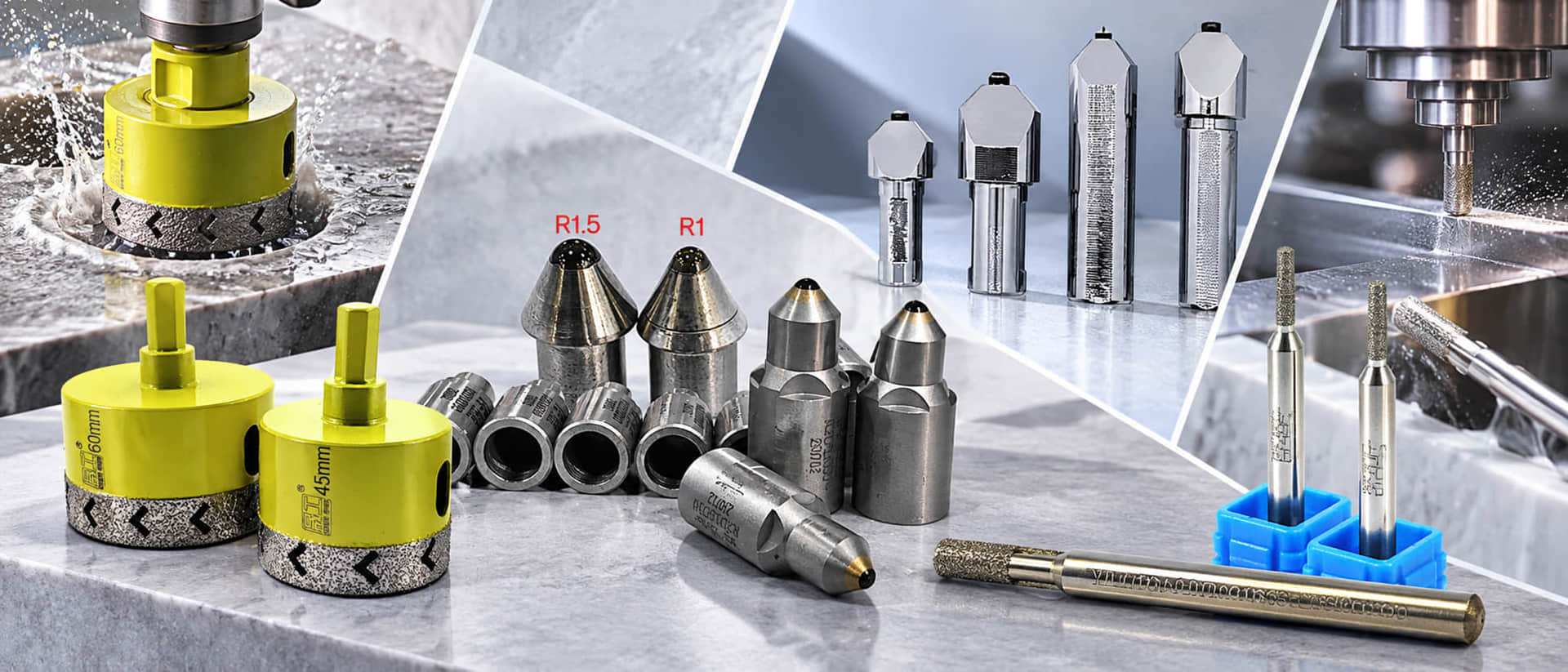
How to Choose the Right M14 Diamond Hole Saw for Wet and Dry Drilling
A Professional Guide for Tile Installers, Stone Fabricators, and Wholesale Buyers
Choosing the right diamond hole saw is essential when drilling hard and abrasive materials such as porcelain tile, ceramic tile, marble, granite, engineered quartz, and sintered stone.
For professional contractors, tile installers, stone fabricators, and industrial tool distributors, the M14 diamond hole saw offers a practical solution for creating precise openings in suitable tile and stone materials.
DiamondCutTools offers M14 diamond hole saws designed for both wet and dry drilling applications, providing flexibility across different installation environments.
However, choosing the appropriate tool requires an understanding of material characteristics, drilling methods, cutting-edge quality, diameter selection, and power tool compatibility.
This comprehensive guide explains the key considerations for professional users and wholesale buyers.
1. What Is an M14 Diamond Hole Saw?
An M14 diamond hole saw is a cylindrical cutting accessory equipped with a diamond abrasive cutting edge and an M14 threaded connection.
The M14 connection is commonly associated with compatible angle grinders used in many international markets.
Unlike conventional toothed hole saws, which are primarily intended for softer materials, diamond hole saws cut by abrasion rather than conventional tooth cutting.
They are commonly used for applications such as:
Bathroom and kitchen plumbing installations
Water supply and drainage pipe openings
Electrical and cable installation holes
Ceramic and porcelain tile installation
Natural stone countertop fabrication
Decorative stone and architectural fitting work
Correct spindle compatibility, recommended operating speed, material suitability, and safe drilling procedures are essential.
2. Materials Suitable for M14 Diamond Hole Saws
Different tile and stone materials have different hardness levels, structures, and cutting characteristics.
Professional users should select drilling methods appropriate to the material rather than applying the same technique to every surface.
Porcelain Tile
Porcelain tile is a dense, low-porosity ceramic material widely used in residential and commercial construction.
Its hardness can make drilling challenging, particularly when clean openings are required for plumbing or electrical installations.
A suitable diamond hole saw helps produce controlled openings while reducing the risk of excessive edge damage.
When drilling porcelain, users should consider cutting-edge quality, tool speed, drilling pressure, heat management, and appropriate dust control.
Ceramic Tile
Ceramic tile is commonly used for walls, floors, kitchens, and bathrooms.
Although some ceramic tiles are easier to drill than dense porcelain, improper tool selection or excessive force can still cause cracking or chipping.
A diamond hole saw with an appropriate cutting edge helps installers achieve more consistent hole quality.
Marble
Marble is a natural stone used in flooring, decorative walls, bathrooms, and countertops.
Its appearance makes surface quality particularly important during installation.
Because marble characteristics vary, proper support and controlled drilling pressure are essential to reduce the risk of unwanted cracking or edge chipping.
Granite
Granite is a hard natural stone frequently used in countertops, construction, and architectural applications.
Drilling granite can place substantial demands on diamond cutting tools.
For professional granite applications, users should pay attention to tool suitability, cutting temperature, pressure, and the condition of the diamond cutting edge.
Appropriate operating procedures can help maintain stable drilling performance.
Engineered Quartz
Engineered quartz is widely used for kitchen countertops, bathroom surfaces, and interior decoration.
Its combination of mineral content and binding materials requires careful attention to cutting conditions.
A compatible diamond hole saw may be used for suitable applications, provided that the tool is approved for the material.
Effective heat management and dust extraction are particularly important. Cutting engineered quartz can generate hazardous respirable crystalline silica dust.
Sintered Stone
Sintered stone is used in modern countertops, wall cladding, architectural panels, and other high-performance surfaces.
Its dense structure and potential sensitivity to edge damage can make drilling demanding.
Diamond cutting-edge quality, surface support, appropriate drilling methods, and controlled pressure are important for achieving acceptable results.
Because different sintered stone products vary in composition and thickness, drilling procedures should follow the material supplier's recommendations.
3. Wet Drilling vs. Dry Drilling
One of the important features of DiamondCutTools' M14 diamond hole saw range is its suitability for both wet and dry drilling.
Each method has advantages and limitations depending on the working environment.
Wet Drilling
Wet drilling uses water at the cutting point when both the cutting accessory and equipment are approved for wet operation.
Water can help reduce cutting temperatures, remove drilling debris, and suppress airborne dust.
Potential benefits include:
Improved cooling during drilling
Reduced accumulation of cutting debris
Lower airborne dust generation
More controlled cutting conditions
Reduced risk of overheating under appropriate operating conditions
Wet drilling can be particularly useful when processing demanding tile and stone materials.
However, electrical safety must always be considered. Water must not be applied to power tools unless the manufacturer explicitly approves the intended wet-use arrangement.
Dry Drilling
Dry drilling does not require water at the cutting point.
It can offer greater convenience for certain on-site installations where water management would be difficult.
Potential benefits include:
Convenient installation setup
No direct water supply required at the drilling point
Reduced water cleanup
Greater flexibility in suitable working environments
Dry drilling requires particular attention to cutting temperature, correct operating speed, and dust control.
Users should follow the manufacturer's recommended drilling procedures and use suitable dust extraction or other required exposure controls.
Which Method Should You Choose?
The selection depends on the tool, working environment, material, and application requirements.
Wet drilling may be advantageous when cooling and slurry management can be carried out safely.
Dry drilling may be more convenient for certain installation tasks, provided that the tool is designed for dry use and appropriate dust-control procedures are followed.
A diamond hole saw suitable for both methods gives professional users additional flexibility, but does not eliminate the need to follow the approved operating instructions for each method.
4. How to Choose the Correct Hole Saw Diameter
Hole diameter is one of the most important factors in diamond hole saw selection.
The required size depends on the installation, including pipe dimensions, fitting specifications, and required clearances.
Before selecting a hole saw, buyers should confirm:
Required finished hole diameter
Available product sizes
Required cutting depth
Material thickness
Installation tolerance requirements
Compatibility with the intended power tool
For wholesale buyers, market demand should guide diameter selection.
Distributors serving tile installers may require a different product mix from suppliers serving stone fabrication workshops or construction contractors.
Requesting a current product specification sheet helps ensure that the selected sizes match actual customer requirements.
5. Why Diamond Cutting Quality Matters
Diamond hole saw performance depends on more than its external appearance.
Several manufacturing and application factors influence cutting efficiency and consistency.
Diamond Abrasive Characteristics
Diamond abrasive characteristics affect the interaction between the cutting edge and the workpiece.
Different cutting-edge designs may be better suited to particular materials and operating conditions.
Bond and Cutting-Edge Design
The material holding the diamond abrasives influences how the cutting edge performs and wears during use.
An appropriate cutting-edge design must balance cutting efficiency, heat management, and durability.
Manufacturing Consistency
For wholesale buyers, consistent manufacturing quality is particularly important.
Differences between production batches may affect tool dimensions, connection accuracy, and cutting performance.
Application Testing
Actual drilling tests can provide valuable information about suitability for different materials.
Buyers should evaluate cutting quality, tool behavior, and performance under representative working conditions before placing substantial orders.
6. Important Drilling Tips for Professional Users
Correct technique is essential even when using a suitable diamond hole saw.
Check Compatibility Before Drilling
Verify the M14 thread, power tool specifications, operating speed, and intended material.
Secure the Workpiece
Ensure that the tile or stone is properly supported to reduce unwanted movement and vibration.
Use Controlled Drilling Pressure
Excessive force can increase cutting temperatures and contribute to tool wear or material damage.
Follow the Correct Cooling Procedure
Use only the approved wet or dry method for the particular cutting accessory and equipment.
Control Dust Exposure
Drilling materials containing crystalline silica can generate hazardous respirable dust.
Use suitable engineering controls and any additional protective equipment required by the applicable safety standards.
Inspect the Cutting Tool
Stop using a hole saw if the cutting edge, body, or threaded connection shows damage that could affect safe operation.
7. What Wholesale Buyers Should Consider
For international importers, industrial tool distributors, and wholesale purchasers, product selection involves both technical and commercial considerations.
A professional supplier evaluation should consider the following factors.
Material Compatibility
Confirm that the offered model is suitable for the intended tile and stone materials.
Product Specifications
Review hole diameters, cutting depth, thread specifications, and recommended operating conditions.
Wet and Dry Capability
Confirm the operating instructions and limitations for both drilling methods.
Quality Consistency
Evaluate samples and ask about quality-control procedures used to maintain production consistency.
Packaging and Labeling
Confirm whether product packaging and labeling meet the distributor's market requirements.
Commercial Terms
Discuss current availability, minimum order quantities, lead times, sample arrangements, and other relevant purchasing conditions directly with the supplier.
Technical Information
Request product specifications and application guidance to support accurate product selection and customer communication.
For B2B buyers, a well-documented technical evaluation can help reduce purchasing uncertainty and improve confidence in product selection.
8. Frequently Asked Questions
Can an M14 Diamond Hole Saw Be Used on Porcelain Tile?
Yes. A suitable M14 diamond hole saw can be used for porcelain tile drilling when the tool is rated for that application and operated according to its instructions.
Can the Same Hole Saw Be Used for Wet and Dry Drilling?
Certain models are designed to support both methods. DiamondCutTools' M14 range discussed here supports wet and dry drilling, subject to the specified tool and equipment operating requirements.
Is an M14 Diamond Hole Saw Suitable for Granite?
A diamond hole saw rated for granite can be used for appropriate granite drilling applications. Correct operating conditions are important because granite can be demanding to process.
Can It Drill Engineered Quartz and Sintered Stone?
Compatible models can be used for these materials. Material composition, thickness, cutting conditions, heat management, and dust control should be carefully considered.
What Should Distributors Check Before Bulk Purchasing?
Distributors should review specifications, intended materials, available sizes, sample performance, quality consistency, packaging, and commercial terms.
Conclusion
Selecting the right M14 diamond hole saw requires a careful understanding of drilling materials, wet and dry operating methods, cutting-edge quality, power tool compatibility, and application requirements.
For professional users, the correct tool and drilling technique can help achieve accurate results and consistent working performance.
For international wholesale buyers, product specifications, sample testing, and manufacturing consistency are important considerations when evaluating potential suppliers.
Looking for M14 Diamond Hole Saws for Wholesale Purchasing?
DiamondCutTools provides M14 diamond hole saw solutions for professional tile and stone drilling applications.
Our product range discussed here supports wet and dry drilling on porcelain tile, ceramic tile, marble, granite, engineered quartz, and sintered stone.
Whether you are a professional tool distributor, importer, contractor, or purchasing manager, you can contact us to discuss your application requirements.
Request a Quote for M14 Diamond Hole Saws
https://www.diamondcuttools.com/contactus/